Illustration within Brand Identity
Why more businesses are using illustration as part of their visual identity
7/8/20265 min read


For a long time, the standard brand identity consisted of a logo, a colour palette, a couple of type pairings and the odd photo.
Those things work and they still matter. However, in the quest to grab attention or communicate their message quicker, more businesses are beginning to add illustration into the mix.
You may have started to notice it more across websites, packaging, apps, advertising and social media. Some brands use small hand-drawn details. Others create characters, patterns or complete illustrated worlds.
This isn't just about trying to make things look more interesting. When used properly, illustration can help a business communicate ideas, show more personality and create a visual identity that is harder to copy.



A logo cannot do everything
Illustration can make a brand more recognisable
A good logo is an important asset, but it cannot carry an entire brand on its own.
Your logo identifies the business and conveys a basic message about you. It’s just not possible for it to explain everything you do. It can't communicate every part of your personality, or give you enough material to fill a website and several months of social media posts.
That is where a wider visual identity becomes useful.
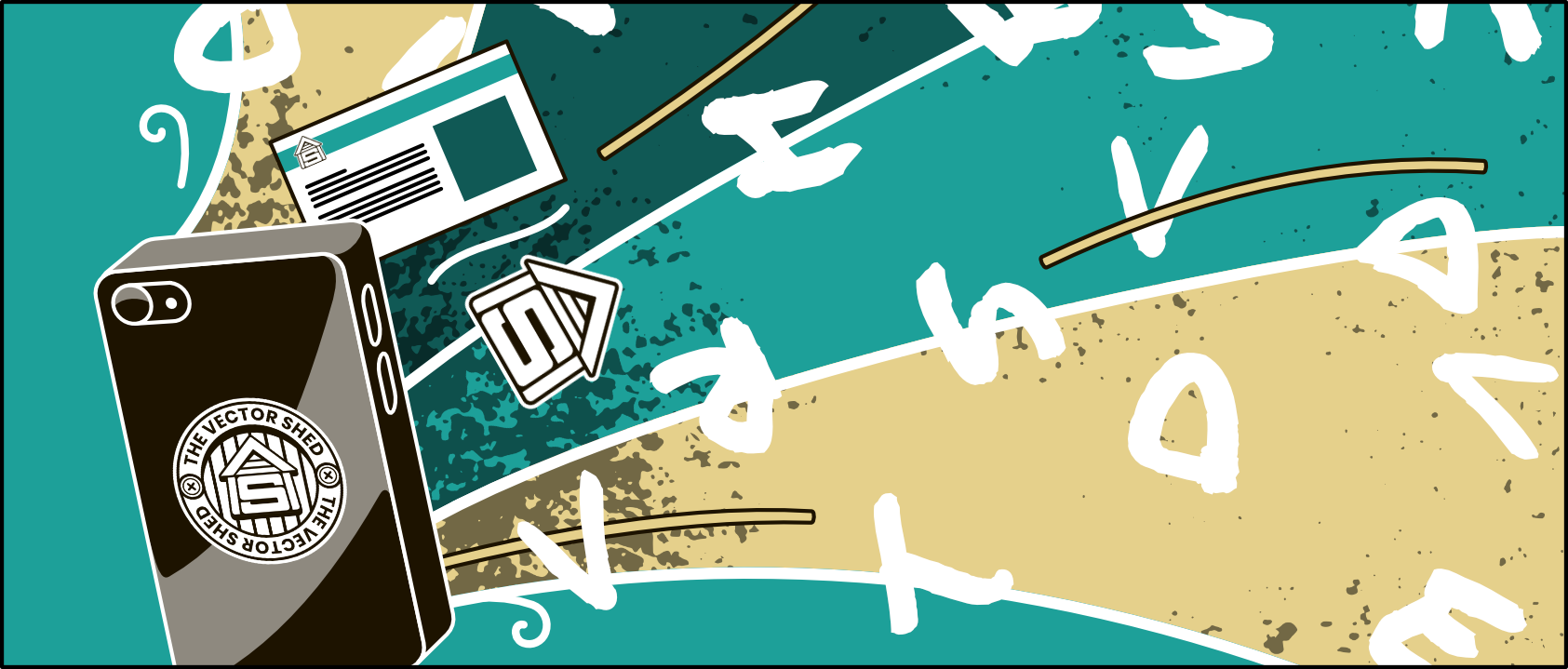
Good illustrations can give a brand a larger collection of recognisable visual assets. These might include:
Large illustrations for website pages
Small illustrations for social posts
Icons and symbols
Patterns and background graphics
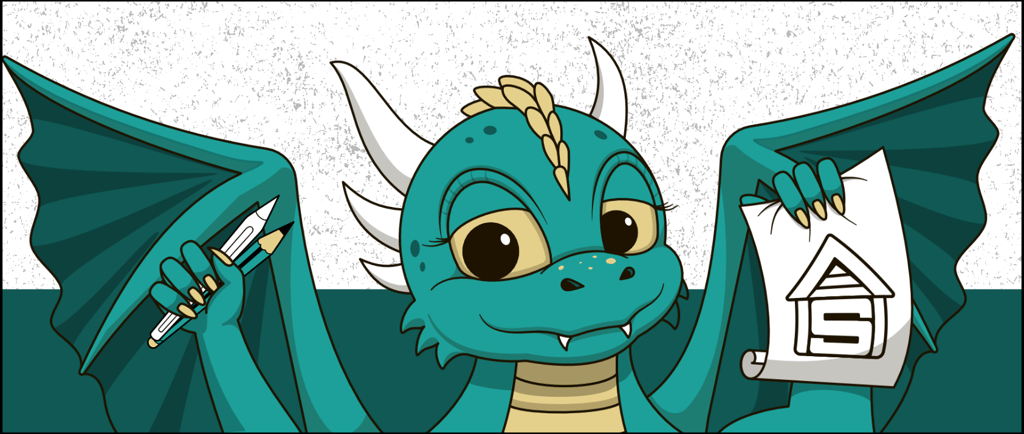
Characters or mascots
Illustrated diagrams
Packaging artwork
Together, these elements give the business more ways to communicate without relying on the logo every time.
I’ve seen it many times where business use the same stock photography, similar website templates and familiar minimalist design styles.
In reality, there is nothing automatically wrong with any of those things. The problem comes when you try to stand out because two completely different businesses can end up looking pretty similar.
This is not ideal in a world where businesses vying for attention!
A custom illustration style can give a brand something more ownable and unique to them.
Colours, linework, shapes, textures and subject matter can all be designed around the personality of the business. Over time, customers may begin to recognise the illustration style and colours before they even see the logo.
That is when illustration stops being decoration and becomes part of the brand identity.
It helps communicate ideas that are difficult to photograph
Photography works brilliantly when a business has something physical to show.
A restaurant can photograph its food. A furniture maker can show its products. A personal trainer can show someone exercising.
Things become more difficult when the business sells software, advice, financial services or some other less tangible service. This is often where illustration has become more common.
How do you photograph collaboration, security, growth or a complicated digital process without falling back on staged office photos and the same group of well-dressed people pointing at laptops?
In this way, illustration can give a businesses more freedom for expression.
An illustrator can turn an abstract idea into a simple visual metaphor, break a complicated process into understandable steps or show a situation that would be difficult to capture with a camera.
A lot of modern business communication is polished, automated and carefully optimised.
That can make it efficient. It can also make it feel impersonal and sanitised.
Illustration, particularly work using a hand-drawn or imperfect style, can introduce some visible human character. Wonky and uneven lines, unusual shapes and small visual jokes can make a brand feel much more approachable.
This doesn't mean you need to cover your website in quirky doodles. A law firm and a craft brewery probably should not use the same illustration style!
As always, it’s important to remember who you are trying to communicate with.
Illustration can be shaped around the right personality. It can be technical, sophisticated, playful, rough, restrained or highly detailed.
It can make a business feel more human
Businesses now appear in far more places than they have in the past.
A brand might need material for its website, email campaigns, presentations, packaging, adverts and several social platforms. Repeatedly placing the logo in the corner of a coloured square is not much of a content strategy.
A well-designed illustration system gives the business reusable ingredients.
Characters can appear in different situations. Individual objects can be separated and rearranged. Patterns can be expanded. Larger scenes can be cropped into smaller social graphics.
This flexibility helps the business produce varied content while still looking consistent.
The key word here is system.
Commissioning one attractive illustration is not the same as developing a brand illustration style. A proper system needs rules covering colour, line weight, shape, texture, composition and how the artwork should be used.
Without those rules, the illustrations can quickly become another collection of mismatched graphics.
Modern brands need more content
Generic illustrations create a different problem
Custom illustration takes time and money, so it is understandable that smaller businesses often begin with stock illustration libraries.
These can be useful, particularly when budgets are limited. However, they come with the same problem as stock photography: other businesses can use exactly the same images.
It's worth noting that just changing the colours does not make a widely available illustration unique to your brand.
There is also a risk of choosing artwork simply because it looks cool. The internet has already seen plenty of interchangeable cartoon people with oversized limbs floating next to software dashboards.
Stock assets can fill a temporary gap, but they rarely create a genuinely distinctive identity and they may be aimed at a completely different audience.
Illustration is not right for every business
Illustration is becoming a larger part of brand identity because businesses need more than a logo and a folder of stock photos.
They need visual systems that can communicate ideas, create content and show some genuine personality.
Good brand illustration can do all three.
But it needs a reason to exist. It needs to suit the business, work consistently and be useful across real applications.
Otherwise, it is just something pretty taking up space.
More than something pretty
It would be easy for a designer to say that every business needs custom illustration, but that would not be true.
Some brands are better served by strong typography, carefully directed photography or a simple graphic system.
Illustration should solve a communication or branding problem. It should not be added simply to make an identity look busier.
Before commissioning it, a business should ask:
What will these illustrations help us communicate?
Where will we use them?
Does the style suit our customers and personality?
Can the system be expanded later?
Will it still feel appropriate in a few years?
If those questions do not have convincing answers, illustration may not be the right investment.